

What are the Learning Labs?
Transforming accessibility to clinical specialists in ARFID-ASD via a new form of group telehealth
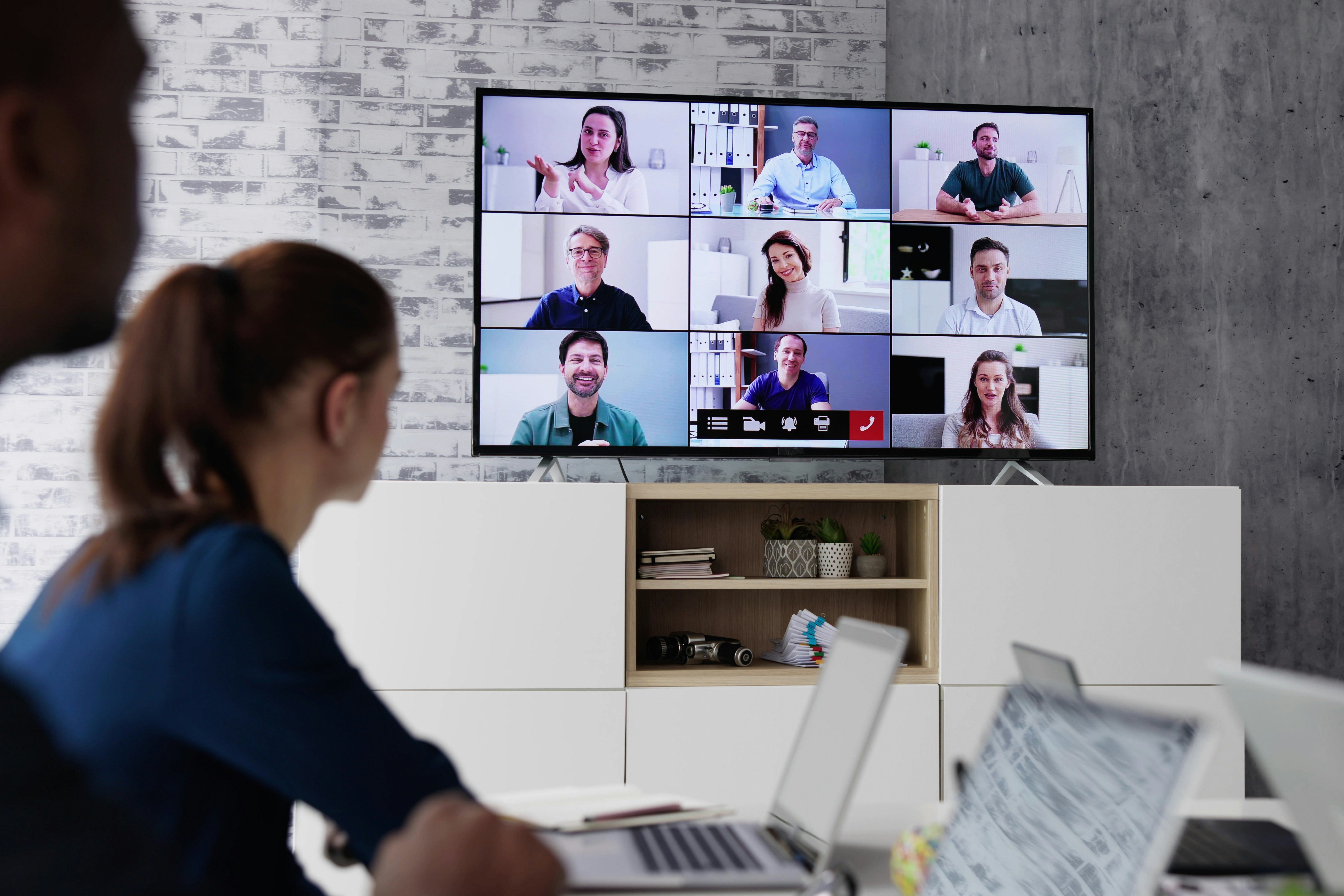
Through this community, you will have opportunities to participate in Learning Labs. But what are they? Here is a little explainer to get you started.
…
Learning Labs. Not a typical webinar, not a consult. What are they?
Learning Labs are webinar-based, group telehealth, problem-solving workshops, designed for parents of children living with ARFID in Autism and complex neuropsychiatric disorders.
Learning Labs transform public access to the very best medical and healthcare specialists, anywhere in the world, at much lower cost. While I have created the Learning Lab methodology and approach for my area of expertise, they can be applied to any very specialist area in medicine.
I hope they become a common feature in the future of medicine. For now, you get to access them here.
…
Learning Labs: Transform Your Access to Specialists
I know how difficult it can be to access a doctor or dietitian in paediatrics who truly has specialist expertise in severe ARFID with Autism or complex neuropsychiatric disorders. It is exactly why I have designed the Learning Lab model.
Specialists are limited in number (there are very few of them in any given specialty), they are usually limited by one-on-one consults, and are often booked out many months (or years ahead). Other problems include competence and compassion; not all specialists are great at what they do. And some people have extremely specialist knowledge within a very specific niche (like very severe presentations of ARFID-ASD). Naturally, this severely limits access for parents who are in dire need of highly specialised advice.
Location is also often a big barrier to families who need to travel across large cities, or from rural and regional areas, with one or more disabled children in tow.
Often, parents are left to access local, junior, and generalist clinicians who simply cannot help with some of the more complex problems affecting their child. In children with severe ARFID and Autism or complex neuropsychiatric disorders, this is an enormous, widespread problem amongst families.
This lack of access to specialist expertise is a major obstacle for parents worldwide, even in some of the best healthcare systems, including those in Australia, the USA, Canada, the UK, and across Europe.
Learning Labs are designed to give you better access to a specialist clinician, at the top of their field, usually in a niche. They bring a wealth of lived experience via working with hundreds or thousands of other families with the same problems.
Accessing these specialist clinicians can also be very expensive and unaffordable for the average family. Learning Labs completely change this dynamic of access and affordability.
But how do we move from one-on-one consults with a specialist to meaningful, larger-scale, group telehealth problem-solving workshops on webinar technology? This is not a natural skill for most clinicians as it requires skilful group facilitation, well-designed clinical problem-solving methodology, and suitable technology (the easy part).
…
Learning Labs: Not Webinar Lectures
Learning Labs are are not like a traditional webinar lecture, where you typically join a webinar platform, watch slides, listen to an expert, and finish with a brief Q&A.
I find the common form of a webinar lecture is useful for some types of learning, but not for parents who are solving difficult problems with unfamiliar clinical tools and strategies that need to be explained, understood, adapted and then applied in a real-world context at home with a complex child that has their own unique mix of sensory sensitivities, Autistic rigidities and about a hundred other developmental traits, behaviours and daily routines that need to be considered.. phew.
To get into the nitty-gritty of problem-solving, parents need something different.
Instead of webinar lectures, Learning Labs provide parents with a collaborative problem-solving space, guided by skilful group facilitation and supported by the presence of a leading specialist in their field of clinical practice.
…
Learning Labs are a very different, innovative way to gather around solving more difficult issues impacting children and teens with complex needs.
…
Interactive, Group-Based Problem Solving
Learning Labs are highly interactive. They are facilitated in real time, focused on solving specific problems step-by-step, with opportunities to iterate and refine your personalised solutions through live group coaching and immediate feedback from a very experienced clinician with specialist knowledge. Learning Labs are carefully designed, ‘real-time working sessions’ to deliver practical strategies you can implement at home.
How else can we understand these Learning Labs?
Learning Labs are virtual spaces for rapidly learning how to create something new. As in any kind of design laboratory, there are often specific problem-solving (or solution-design) methods that can be learnt and applied in iterative rounds of experimentation until we obtain a useful result. Labs involve real work (they are not lecture theatres), and the process of tackling difficult problems in a laboratory usually benefits from collaboration as a group, rather than working alone.
In my view, Learning Labs need to be part of the future landscape for healthcare systems around the world. In a future of easy access to medical AI models, I anticipate (hope) that Learning Labs will almost certainly be a feature that defines the future of healthcare, providing millions with scalable access to the very best clinical specialists in the world.
…
Learning Labs for ARFID-ASD
I offer parents around the world access to a range of Learning Labs for solving specific problems in ARFID-ASD, with nutrition-focused solutions. One of these Learning Labs focuses on assisting parents to incorporate essential micronutrients (vitamins, minerals, and trace elements) into the daily routine of children with ARFID-ASD.
Over the years in my clinical practice, I have discovered that there are specialist nutrition products, precision dosing strategies, mixing methods, and other approaches that help us get these essential nutrients into the vast majority of kids with ARFID-ASD. However, the application of these is different from child to child in my clinic; there is nothing in ARFID-ASD that is a ‘one size fits all’ approach! Therefore, I have designed a Learning Lab that enables parents to create very specific solutions that are adapted for their child at home.
I also facilitate Learning Labs to address other tough issues I frequently encounter with families in The ARFID Clinic who need advanced medical nutrition therapy for severe and complex problems. For example:
Managing chronic vitamin and mineral deficiencies, safely & effectively
Extremely limited intake, malnutrition and chronically poor growth
Low thirst and living with chronic dehydration
Chronic constipation, diarrhoea or discoloured stools
Managing nutrient requirements during regressions & flares
Nutrition psychiatry for ADHD and Anxiety
Nutrition therapy for profound fatigue, deconditioning, withdrawal and increasing immobility
Tube feeding: considering and planning for gastrostomy (PEG) feeding
Tube feeding: transitioning to whole-food puree diets
Managing PANS/PANDAS in kids with ASD-ARFID
To get early registration access to these Learning Labs whenever they are advertised (they fill up fast), make sure you are an email subscriber to the Nutrition Rescue newsletter.